Infected insect bite treatment through NHS Pharmacy First
Insect bites and stings can cause itching, swelling and discomfort. Most settle naturally, but occasionally the affected skin becomes infected and requires treatment. At Lemonpill, our NHS Pharmacy First service provides professional assessments and treatment advice for suspected infected insect bites, without needing to see a GP first.
- For adults and children aged 1 and over. NHS Pharmacy First assessments for suspected infected insect bites and stings.
- No GP referral needed. Contact our pharmacy team directly for an assessment.
- Antibiotics when appropriate. Our pharmacist may supply prescription treatment if signs of bacterial infection meet the NHS clinical criteria.
- Free NHS consultation. Normal NHS prescription charges and exemptions apply. Over-the-counter products are paid for separately.
Important: Redness, itching and swelling shortly after a bite are usually caused by inflammation or an allergic reaction rather than infection. Antibiotics are only recommended when there is evidence of bacterial infection.
How your Pharmacy First consultation works
Our pharmacist follows the NHS clinical pathway for infected insect bites and stings. The assessment helps distinguish a normal skin reaction from a possible bacterial infection.
- Discuss your symptoms. We will ask when the bite or sting occurred, whether the affected area is becoming more painful or swollen, and whether you have noticed spreading redness or discharge. We will also check your medicines, allergies and relevant medical history.
- Assess the affected skin. The pharmacist will examine the area for signs of infection, including warmth, tenderness, swelling and spreading redness. They will also check for warning signs that require further medical assessment.
- Agree on treatment. Depending on the findings, you may receive self-care advice, suitable treatments for itching or inflammation, or prescription antibiotics when clinically appropriate. We will explain how to monitor the area and when to seek further help.
Will I need antibiotics? Most insect bites do not become infected and improve without antibiotics. The pharmacist will only recommend an antibiotic when there is sufficient evidence of bacterial infection and you meet the NHS treatment criteria.
Book your infected insect bite consultation
Arrange an NHS Pharmacy First assessment with Lemonpill if you or your child, aged 1 or over, have an insect bite or sting that may be infected.
Our pharmacist can assess the affected skin, recommend appropriate treatment and determine whether prescription antibiotics may be suitable.
Before booking: Check the urgent-care guidance above. Rapidly spreading infection, severe illness or symptoms of a serious allergic reaction require urgent medical attention.

Having trouble booking? Contact our pharmacy team for assistance.
Signs and symptoms of an infected insect bite
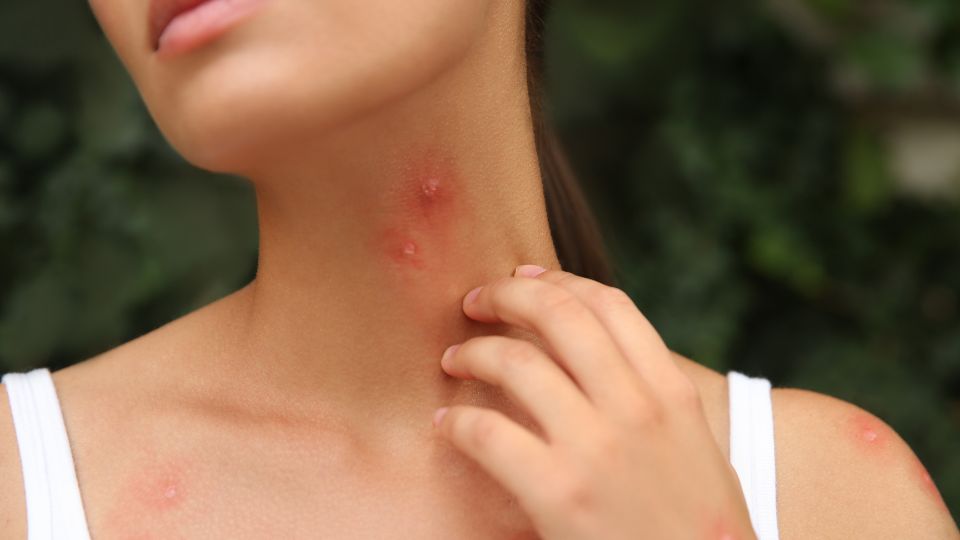
Most insect bites cause a small raised lump, redness, itching or mild swelling. These symptoms usually develop shortly after the bite and are part of the body’s normal inflammatory response.
An infection is more likely when symptoms develop or worsen after the initial reaction, particularly when the skin becomes increasingly painful, hot or swollen.
Possible signs of infection include:
- Redness or discolouration spreading beyond the original bite
- Increasing pain or tenderness around the affected area
- Swelling that continues to spread or becomes worse
- Skin around the bite feeling unusually hot to touch
- Pus or fluid coming from the bite or sting
- Increasing discomfort rather than gradual improvement
On darker skin, redness may be less noticeable. Changes in skin colour, warmth, tenderness and swelling can be more useful indicators.
How can you tell if a bite is infected?
A normal insect bite often becomes itchy and swollen within minutes or hours. This is usually an inflammatory or allergic reaction, not a bacterial infection.
Under the NHS Pharmacy First pathway, signs of infection are assessed when at least 48 hours have passed since the bite or sting.
The pharmacist considers whether at least three key symptoms are present, including redness, pain, swelling and warmth. Spreading redness or swelling, or pus at the affected site, may indicate that antibiotic treatment should be considered.
Itching alone does not mean a bite is infected. Redness and itching can sometimes continue for up to 10 days without bacterial infection.
What causes an insect bite to become infected?
An infection can develop when bacteria enter damaged skin around a bite or sting.
Scratching is a common contributing factor because it can break the skin and allow bacteria to enter.
Infected bites may develop into cellulitis, a bacterial infection affecting deeper layers of the skin. This can cause spreading warmth, swelling and tenderness.
If symptoms are rapidly worsening, or you feel generally unwell, seek urgent medical advice.
What treatment can Pharmacy First provide?
Treatment depends on whether the bite is infected, the severity of symptoms and your medical history. Our pharmacist will explain the most appropriate options following the assessment.
- Antihistamines: Suitable oral antihistamines may help reduce itching caused by an allergic reaction. The pharmacist can advise on age restrictions and medicine suitability.
- Anti-inflammatory creams: A suitable hydrocortisone cream may help with itching and swelling from a non-infected bite. It should not be applied to infected or broken skin unless advised by a healthcare professional.
- Prescription antibiotics: If the bite is infected and the NHS clinical criteria are met, the pharmacist may supply flucloxacillin or an appropriate alternative.
- Pain relief: Paracetamol or ibuprofen, when suitable, may help relieve discomfort. Always follow the packet instructions.
- Further medical care: If the infection is severe, involves a high-risk area or requires treatment outside the Pharmacy First pathway, the pharmacist will recommend an appropriate healthcare service.
Which antibiotics are used for infected insect bites?
Under NHS Pharmacy First, flucloxacillin is commonly used for eligible patients with a confirmed or likely bacterial infection.
If you have a penicillin allergy, clarithromycin may be considered. Erythromycin may be appropriate during pregnancy when the clinical criteria are met.
The usual antibiotic course supplied through this pathway is 5 days, although treatment suitability depends on age, allergies, medical history and other medicines.
Antibiotics are not supplied automatically. If the symptoms are caused by inflammation rather than infection, suitable self-care measures are usually recommended instead.
Can pregnant patients use Pharmacy First?
Pregnant patients aged 16 and over may be eligible for treatment under the infected insect bites pathway.
The pharmacist will check your symptoms, pregnancy status, medical history and medicine suitability before recommending treatment.
Pregnant patients under 16 are excluded from this pathway and should seek advice from an appropriate healthcare professional.
How to care for an insect bite at home
Most insect bites and stings settle naturally within a few days, although itching and mild redness can last longer.
Simple self-care measures may help relieve discomfort and reduce the risk of infection.
- Keep the area clean. Gently wash the bite with soap and water. Avoid harsh products that may irritate the skin.
- Apply a cool compress. Hold a clean, cool, damp cloth or a wrapped cold pack against the affected area for around 20 minutes to help reduce swelling.
- Avoid scratching. Scratching can damage the skin and increase the chance of bacteria entering the bite. Keep children’s fingernails short where practical.
- Consider suitable itch relief. Oral antihistamines or an appropriate hydrocortisone cream may help with uncomplicated bites. Ask a pharmacist before using these treatments, particularly for children.
- Keep a swollen limb raised. If the bite is on an arm or leg, raising it when possible may help reduce swelling.
- Monitor changes. Watch for spreading redness, increasing pain, discharge or symptoms that are becoming worse rather than better.
Should you remove an insect sting?
If a bee sting remains in the skin, gently scrape it sideways using a fingernail or the edge of a bank card. Avoid squeezing it.
Wash the area afterwards with soap and water.
If you discover an attached tick, use a fine-tipped tick-removal tool or tweezers to grasp it close to the skin and pull upwards steadily without squeezing its body.
Do not use household remedies such as bicarbonate of soda, oils or other substances to treat an insect bite or remove a tick.
How long should an insect bite take to heal?
Most uncomplicated bites improve within a few days. Itching, swelling and redness can occasionally last up to 10 days.
If a bite has been assessed as non-infected and is not improving after 3 days of recommended over-the-counter treatment, return to the pharmacy for reassessment.
If antibiotics have been prescribed, follow the treatment instructions and seek further advice if symptoms worsen or do not improve as expected.
When should you contact a GP?
Although Pharmacy First can manage many uncomplicated infected insect bites, some situations require further medical assessment.
Contact a GP if you experience repeated skin infections, symptoms that do not improve after treatment or significant swelling and discomfort that continues to worsen.
The Pharmacy First infected insect bites pathway is not suitable for every type of bite or sting.
Bites that may need different medical care
Seek further assessment if:
- You suspect a tick-borne infection. A spreading circular or oval rash, sometimes resembling a bullseye, or flu-like symptoms after a tick bite may indicate Lyme disease.
- The bite occurred abroad. Bites associated with fever or possible insect-borne infections after overseas travel may need specialist assessment.
- The bite came from an unusual or exotic insect. Different risks and treatments may apply.
- The infection is severe. A large collection of pus, rapidly spreading infection or severe pain may require treatment beyond the pharmacy service.
- You have an underlying condition. Significant circulation problems, lymphoedema or a severely weakened immune system can increase the risk of complications.
Animal and human bites are not covered by the Pharmacy First infected insect bites clinical pathway.
What if antibiotics are not working?
If antibiotics are supplied, the pharmacist will explain when improvement should be expected and what warning signs to watch for.
Skin infections may initially appear more inflamed during the first 48 hours of antibiotic treatment, but they should then begin improving.
If symptoms worsen rapidly or significantly at any time, seek urgent medical advice. If the infection has not improved after completing the prescribed 5-day course, arrange further medical assessment.
Do not delay seeking help if you develop fever, spreading infection, severe pain or feel generally unwell. Follow the urgent-care guidance above.
Infected insect bite treatment FAQs
Find quick answers to common questions about insect bites and the NHS Pharmacy First service.
Who can use Pharmacy First for an infected insect bite?
The NHS infected insect bites pathway is available for eligible adults and children aged 1 and over. You do not need a GP referral. Pregnant patients under 16 are excluded, and certain medical conditions or types of bites may require further assessment. The pharmacist will confirm eligibility.
Can I get antibiotics for an infected bite without seeing a GP?
Yes. An authorised pharmacist may supply antibiotics such as flucloxacillin, or a suitable alternative, when the NHS clinical criteria are met. Most insect bites do not require antibiotics because the symptoms are caused by inflammation rather than infection.
How do I know if an insect bite is infected?
A bite may be infected if the surrounding skin becomes increasingly painful, warm, swollen or red, particularly when symptoms develop or worsen after 48 hours. Spreading redness or swelling and pus may also indicate infection. The pharmacist will assess the symptoms and decide whether treatment is needed.
Can Pharmacy First treat bites from ticks or spiders?
Some insect and spider bites may be assessed through Pharmacy First. However, a suspected tick-borne illness such as Lyme disease, a bite from an unusual or exotic insect, or an insect-borne illness associated with overseas travel requires a different assessment. Tell the pharmacist what caused the bite if known.
Is the NHS Pharmacy First consultation free?
Yes. Eligible NHS Pharmacy First consultations are free. Normal NHS prescription charges apply to supplied medicines unless you qualify for an exemption. Over-the-counter products purchased separately are paid for. Where you are registered with a GP, information about the consultation is sent to the practice to update your medical record.
Get help with an infected insect bite at Lemonpill
If an insect bite or sting is becoming increasingly painful, swollen, warm or red, Lemonpill is here to help.
Our pharmacist can assess the affected area, recommend suitable treatment and explain whether prescription antibiotics or further medical care may be needed.
Concerned that an insect bite is infected? An NHS Pharmacy First consultation can help you understand your symptoms and the most appropriate next step.
Book your Pharmacy First infected insect bite consultation
For assistance with appointments or service eligibility, contact Lemonpill, based in Islington, London.
This information is for general guidance and does not replace an individual clinical assessment. NHS Pharmacy First treatment for infected insect bites is available to eligible patients aged 1 and over. Antibiotic treatment depends on symptoms, medical history and NHS clinical criteria. Seek urgent medical attention for severe allergic reactions, rapidly spreading infections, significant pain, fever or other serious symptoms.